
KOLDINGHUS
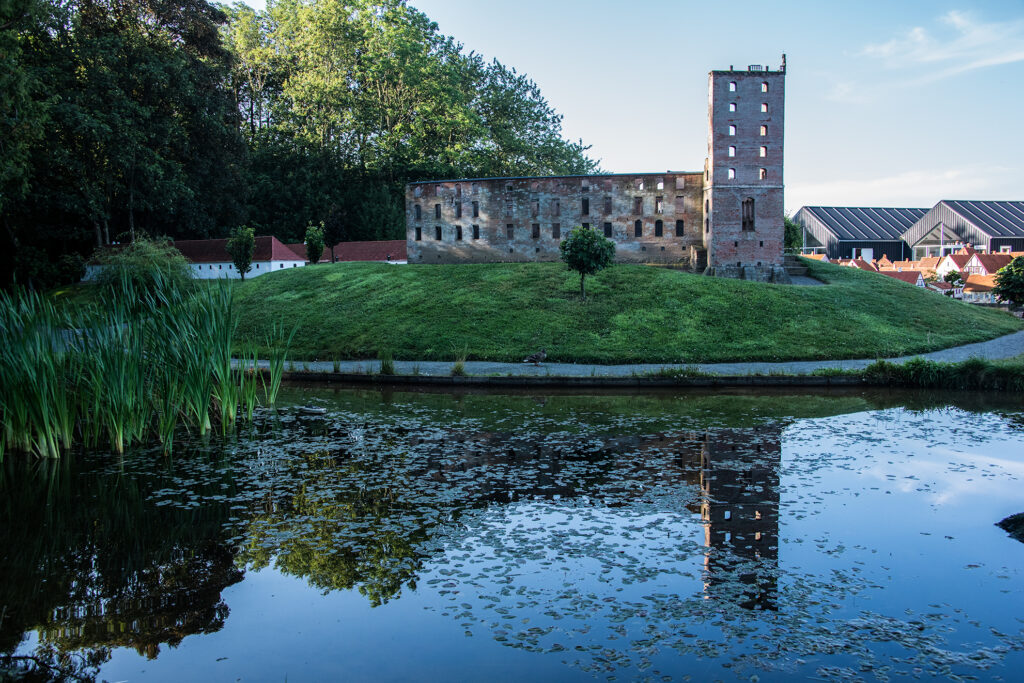
Koldinghus – Jutland’s last royal castle
Koldinghus was founded in 1268 by King Erik Klipping as a border fortress to protect the kingdom from the south. The castle was strategically located at the crossing point over Kolding Å and quickly developed into an important royal fortress.
In the Middle Ages and the Renaissance, Koldinghus was expanded and served as both a fortress, a residence, and a center of power. Several Danish kings have lived here, and the castle served as the setting for important events in the history of the kingdom. In the 1500s and 1600s, it was transformed into a magnificent Renaissance castle.
In 1808 during the Napoleonic Wars, large parts of the castle burned down when Spanish auxiliary troops were stationed in Kolding. For almost 100 years, Koldinghus stood as a picturesque ruin and became a symbol of the city's history.
In the 20th century, an extensive restoration began, in which the ruins were left side by side with modern architecture – today a unique example of preservation and innovation.
Today, Koldinghus houses a museum with art and cultural history exhibitions and is at the same time one of Kolding's most important landmarks. The castle is also used for concerts, events and ceremonies and is a vibrant cultural center for the entire country.